Glaucoma and Macular Degeneration Screening in Kenosha: Why We Use Retinal Imaging
Glaucoma and Macular Degeneration Screening in Kenosha: Why We Use Retinal Imaging
Clear vision is important, but healthy eyes depend on more than how well you can read an eye chart. Many serious eye diseases can develop slowly without obvious symptoms. At Emer Eye Care in Kenosha, retinal imaging helps us look deeper at the health of the back of the eye so we can screen for conditions like glaucoma and macular degeneration with greater detail.
The Importance Of Eye Disease Screening
Glaucoma and macular degeneration are two leading causes of vision loss, especially as patients get older. The challenge is that early changes can happen before you notice blurry vision, eye pain, or trouble seeing.
Glaucoma often affects the optic nerve and can gradually reduce peripheral vision. Macular degeneration affects the macula, the part of the retina responsible for sharp central vision. Both conditions benefit from early detection, consistent monitoring, and timely care. Routine comprehensive eye exams with advanced screening tools can play an important role in protecting long-term vision.
What Retinal Imaging Shows
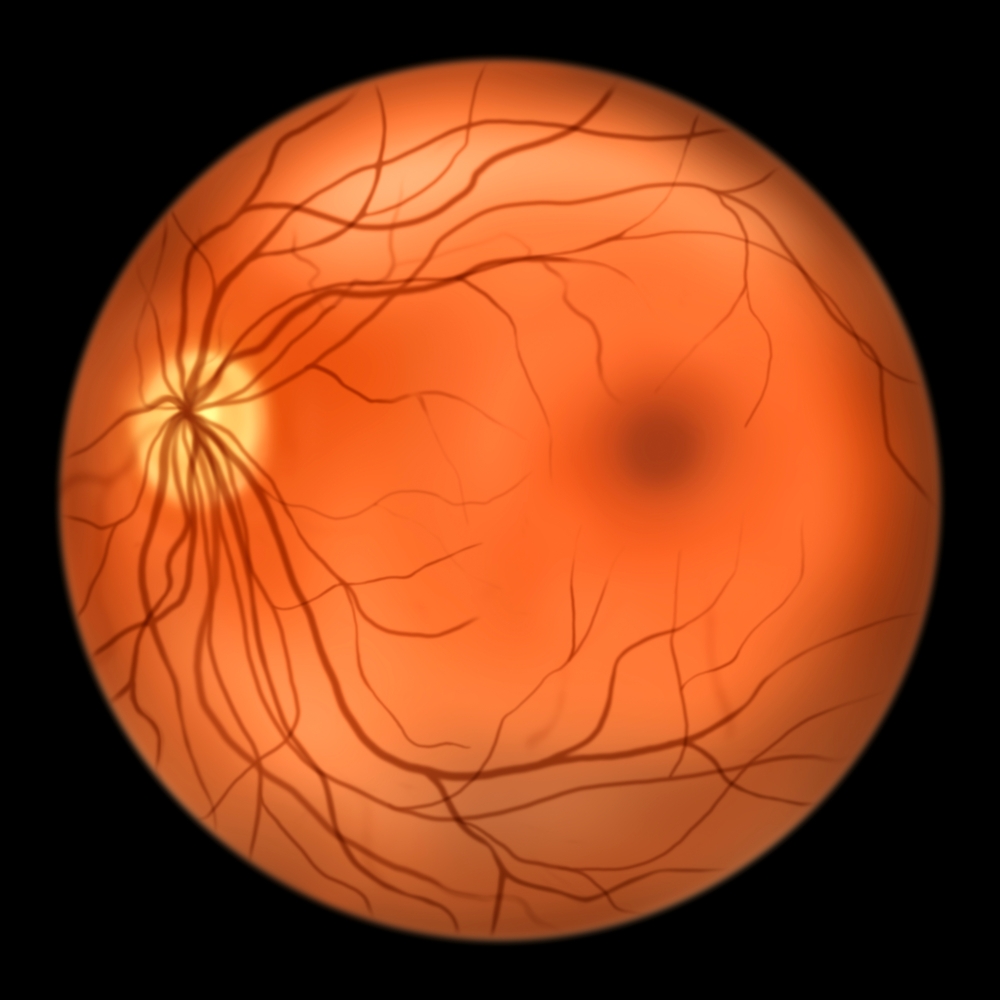
Retinal photos and OCT imaging allows our eye doctors to capture detailed images of the retina, optic nerve, and blood vessels inside the eye. These images create a visual record that can be compared over time.
This matters because small changes are very difficult and many times impossible notice during daily life but easier to identify when we have high-quality images from previous visits. Retinal imaging can help support glaucoma screening, macular degeneration screening, diabetic eye evaluations, and overall eye health monitoring.
How Retinal Imaging Helps With Glaucoma
When screening for glaucoma, our doctors look closely at the optic nerve. Retinal photos and OCT imaging help document the shape, color, appearance and thickness of the optic nerve so changes can be tracked from one exam to the next.
Patients with higher eye pressure, a family history of glaucoma, or other risk factors may need more frequent monitoring. Retinal imaging gives our team another way to evaluate whether the optic nerve appears stable or if further testing is needed. Visual fields are also necessary to document any subtle vision loss over time.
How Retinal Imaging Helps With Macular Degeneration
Macular degeneration can affect central vision, making tasks like reading, driving, and recognizing faces more difficult. Retinal imaging helps us evaluate the macula and look for changes that may suggest early signs of the condition.
During a macular degeneration screening, imaging helps identify concerns before vision changes become more noticeable. This allows our doctors to recommend monitoring, lifestyle guidance, vitamins, or additional care when appropriate.
Who Should Consider Advanced Eye Health Screening?
Retinal imaging can be helpful for many patients, especially those with risk factors for eye disease, including:
• Adults over age 40
• A family history of glaucoma or macular degeneration
• Diabetes or high blood pressure
• Previous eye injury or eye surgery
• Noticeable changes in vision, distortion, or blind spots
• Long periods between comprehensive eye exams
Schedule Your Eye Health Screening In Kenosha
Retinal imaging is not just about taking pictures. It is part of a complete approach to eye health. At Emer Eye Care, we use the results along with your symptoms, medical history, visual acuity, eye pressure, and doctor evaluation to better understand your overall risk.
Schedule a comprehensive eye exam and retinal imaging evaluation with Emer Eye Care to stay ahead of glaucoma and macular degeneration. Contact our office in Kenosha, Wisconsin, visit our website at emereyecare.com, or call (262) 654-6005 to book an appointment today.


MAP
Powered by: