Blog list
Emer Eye Care Blog
Learn more about optometrist care in our blog!
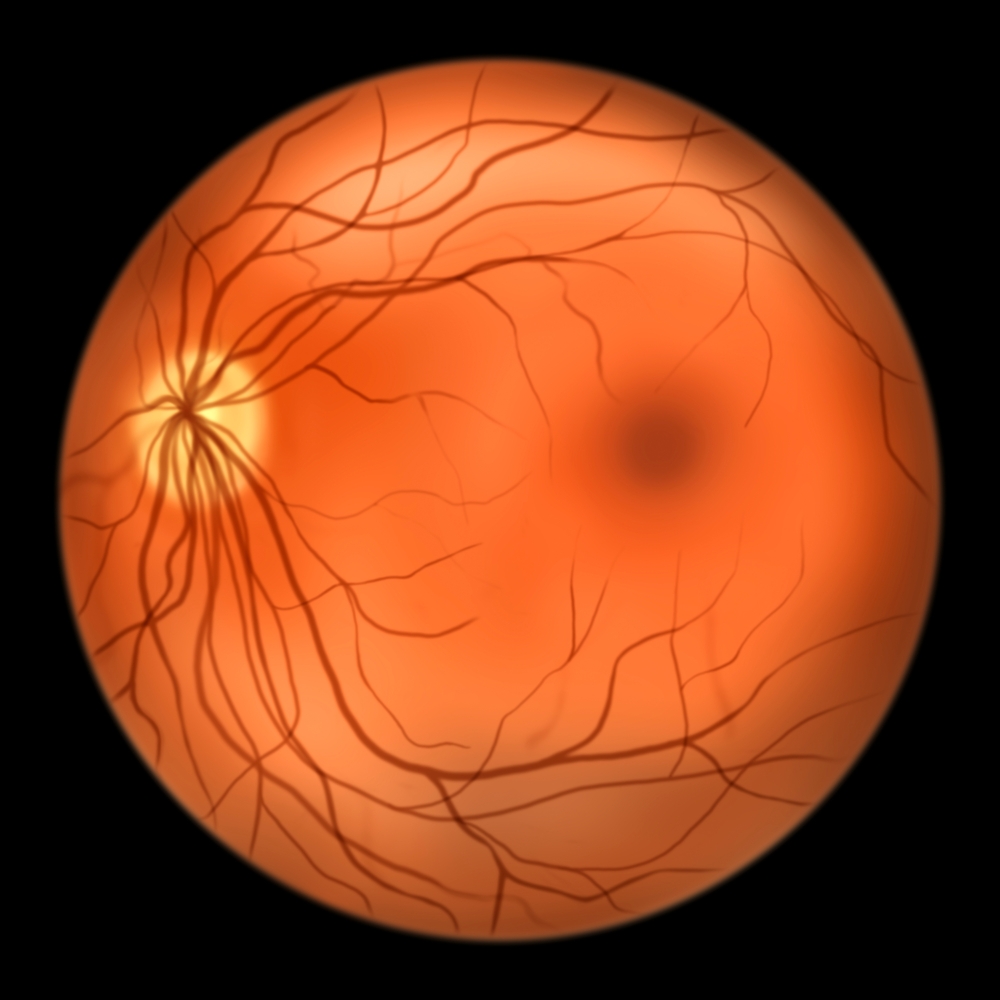
Clear vision is important, but healthy eyes depend on more than how well you can read an eye chart. Many serious eye diseases can develop slowly without obvious symptoms. At Emer Eye Care in Kenosha, retinal imaging helps us look deeper at the health of the back of the eye so we can screen for conditions like glaucoma and macular degeneration with greater detail.
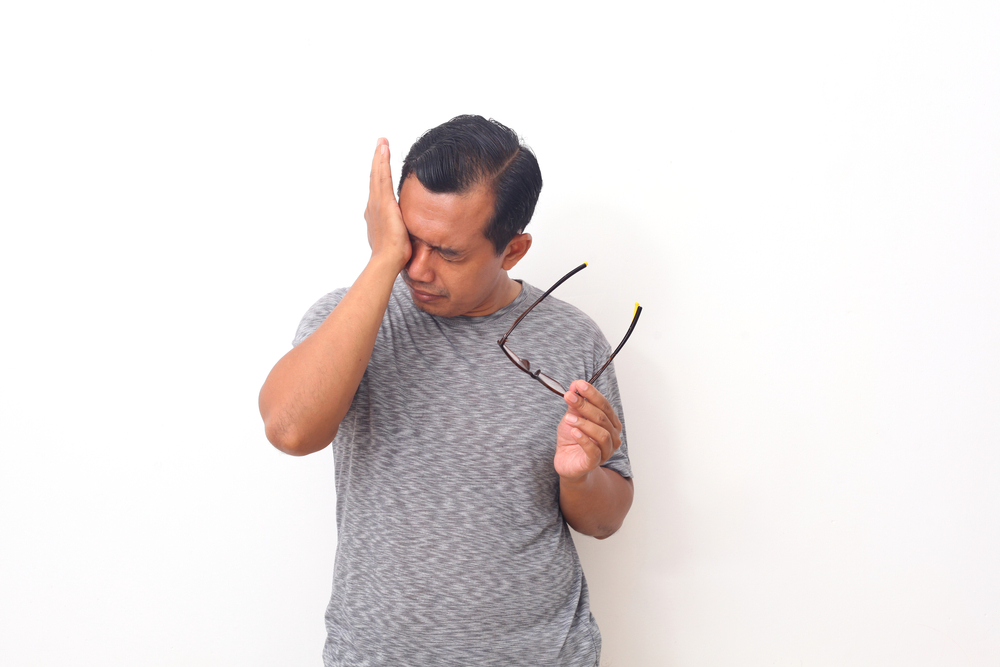
Ocular surface disease can make everyday tasks feel harder than they should. While dry eye is one of the most common forms of ocular surface disease, the condition can involve several factors, including tear film imbalance, eyelid inflammation, allergies, meibomian gland dysfunction, and environmental triggers. At Emer Eye Care, we focus on identifying what is causing your symptoms so we can recommend care that supports lasting comfort, not just temporary relief.

Dry eye is often associated with burning, stinging, or a gritty feeling, but it can also affect the way you see. Many patients are surprised to learn that dry eye can cause blurry vision, light sensitivity, and fluctuating focus throughout the day. When the tear film is not stable, the surface of the eye may become irritated, making it harder to maintain clear, comfortable vision.

When a child struggles with reading, writing, attention, or classroom performance, vision is not always the first thing families consider. But in many cases, learning-related visual deficits can make schoolwork harder than it should be. Vision therapy is effective because it targets the specific visual skills needed for learning, rather than only checking whether a child can see clearly at a distance.
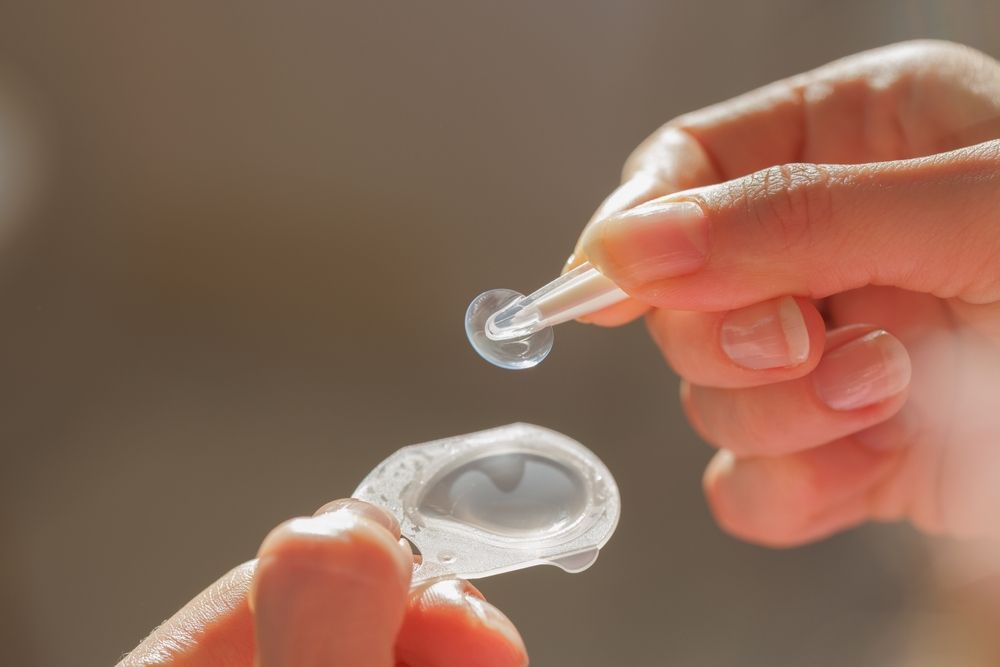
Contact lenses are safe and convenient for many patients, but there are times when continuing to wear them can put your eye health at risk. Knowing when to remove contact lenses immediately can help prevent irritation, infection, and more serious complications.
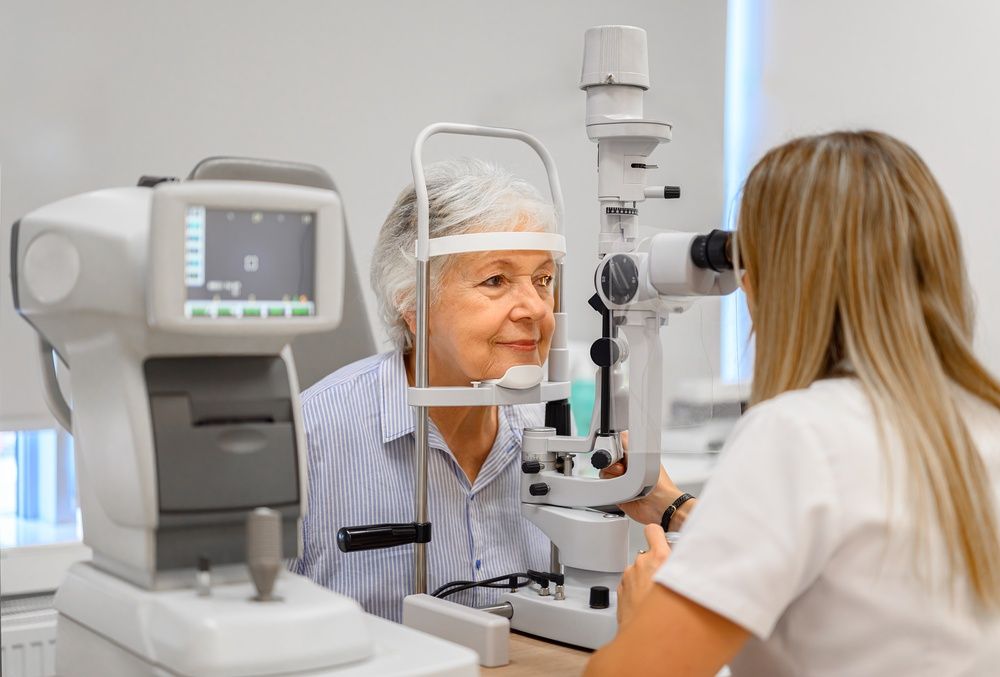
If you’re living with diabetes, you already know how important it is to stay on top of your health. But protecting your vision may not always feel urgent - especially if you’re seeing clearly.
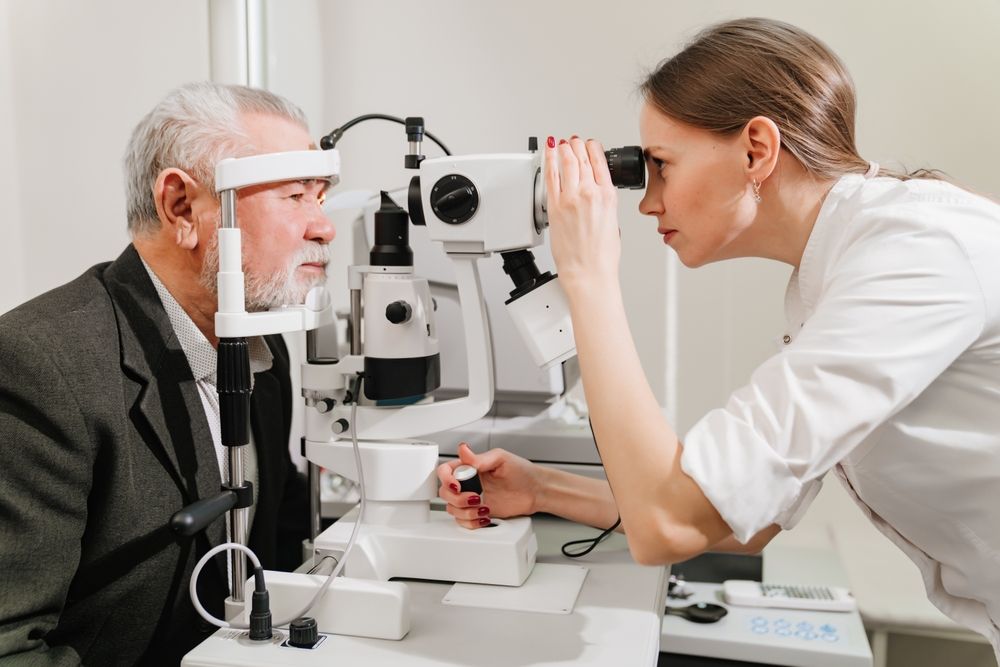
When we think about vision, we often focus on how clearly we can see objects up close or far away. However, clear vision is only one part of how our eyes work.

In today’s screen-centered world, it’s common to spend hours each day looking at computers, smartphones, tablets, and TVs. While digital devices make work and communication easier, extended screen time can take a toll on your eyes.

When it comes to clear, comfortable vision, precision is everything. Even the smallest miscalculation in your prescription can affect how well you see and how your eyes feel throughout the day.
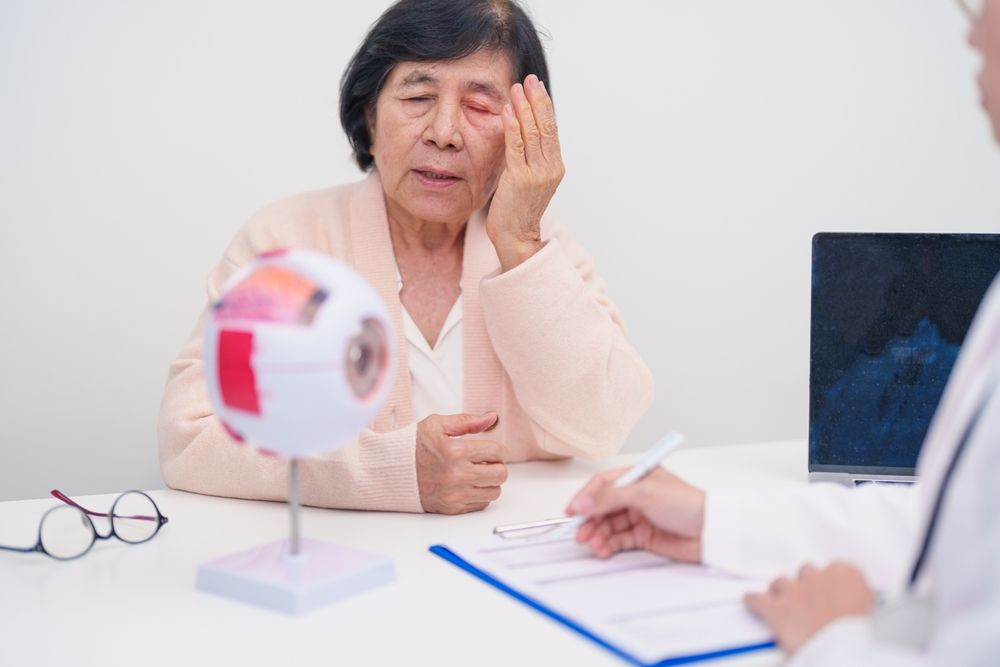
Diabetes can affect more than just your blood sugar - it can also impact your eyesight. Elevated glucose levels over time can damage the delicate blood vessels in your eyes, increasing the risk of conditions such as diabetic retinopathy, glaucoma, and cataracts.


MAP
Powered by: