What Does a Binocular Vision Exam Entail?
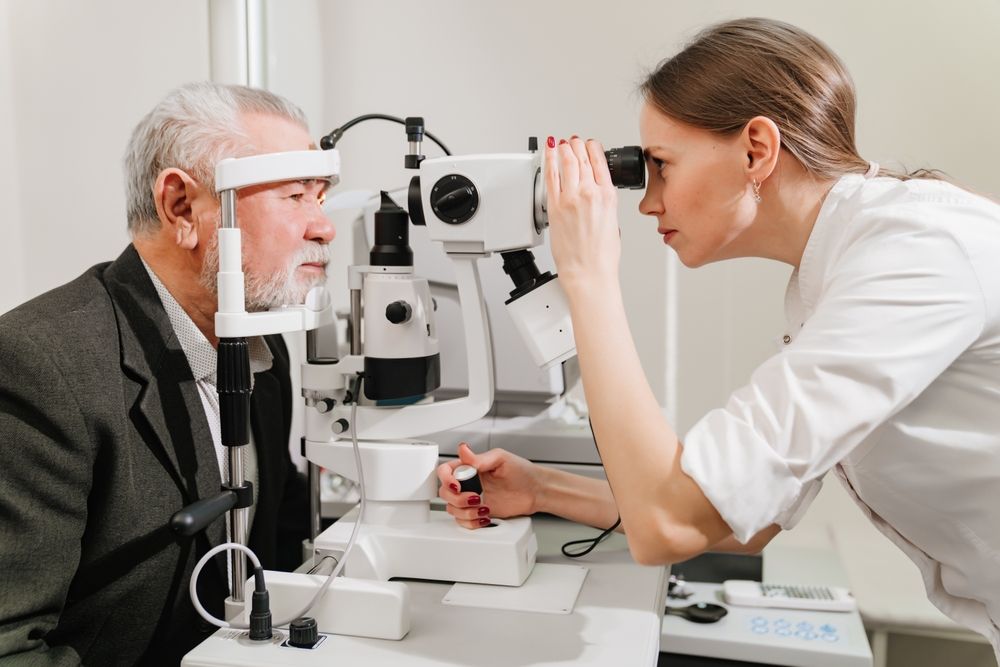
When we think about vision, we often focus on how clearly we can see objects up close or far away. However, clear vision is only one part of how our eyes work. For comfortable, efficient vision, both eyes must work together as a coordinated team. This is known as binocular vision, and when issues arise, a binocular vision exam can help identify the cause.
What Is Binocular Vision?
Binocular vision refers to the ability of both eyes to align, focus, and work together to create a single, clear image. Proper binocular vision allows for depth perception, accurate eye tracking, and comfortable visual performance during activities like reading, computer work, and sports. When binocular vision is not functioning properly, patients may experience symptoms even if their eyesight appears “normal” on a standard eye chart.
Why Might You Need a Binocular Vision Exam?
A binocular vision exam is often recommended when patients experience symptoms such as:
- Frequent headaches or eye strain
- Blurred or double vision
- Difficulty reading or concentrating
- Words appearing to move or blur on the page
- Closing or covering one eye while reading
- Fatigue during near work or screen use
- Poor depth perception
Children may also struggle academically or avoid reading if binocular vision issues are present.
What Happens During a Binocular Vision Exam?
A binocular vision exam goes beyond a routine eye exam. It focuses specifically on how the eyes work together and how efficiently they process visual information.
- Eye Alignment and Teamwork Evaluation: Your eye doctor will assess how well your eyes are aligned at rest and during movement. This helps identify conditions such as eye turns or subtle misalignments that can interfere with comfortable vision.
- Focusing (Accommodation) Testing: The exam measures how well your eyes focus on objects at different distances and how easily they maintain that focus over time. Difficulty sustaining focus can contribute to eye strain and headaches.
- Eye Coordination and Convergence Testing: Convergence is the ability of the eyes to turn inward together when looking at close objects, such as a book or screen. Your doctor will evaluate how well your eyes converge and how long they can maintain that coordination.
- Eye Tracking and Movement Assessment: Smooth and accurate eye movements are essential for reading and following moving objects. During the exam, your doctor may assess how well your eyes track targets and move from one point to another.
- Depth Perception and Visual Integration: Binocular vision allows the brain to combine images from both eyes into a single three-dimensional view. Tests may be performed to evaluate depth perception and how effectively the brain processes input from both eyes.
What Happens After the Exam?
Once testing is complete, your eye doctor will review the results and explain whether a binocular vision disorder is present. If an issue is identified, treatment options may include:
- Vision therapy
- Specialized lenses or prisms
- Updated eyeglass prescriptions
- Lifestyle or visual habit recommendations
The goal is to improve comfort, efficiency, and overall visual performance.
Take the Next Step Toward Comfortable Vision
A binocular vision exam plays a crucial role in identifying visual problems that may not appear during a routine eye exam. By evaluating how well the eyes work together, this specialized assessment helps uncover the root cause of symptoms like eye strain, headaches, and reading difficulties. Proper diagnosis allows for targeted treatment, leading to more comfortable and effective vision in daily life.
If you or your child experience visual discomfort, difficulty reading, or unexplained headaches, a binocular vision exam at Emer Eye Care may provide the answers you need. Contact our office in Kenosha, Wisconsin, visit our website at emereyecare.com, or call (262) 654-6005 to book an appointment today.


MAP
Powered by: