How Diabetic Eye Exams Prevent Vision Loss: What Patients Should Know
If you’re living with diabetes, you already know how important it is to stay on top of your health. But protecting your vision may not always feel urgent - especially if you’re seeing clearly. Regular diabetic eye exams are one of the most important steps you can take to preserve your sight and catch potential issues early, before they threaten your vision.
Understanding How Diabetes Affects the Eyes
Diabetes can impact multiple structures within the eye, but the most serious complication is Diabetic retinopathy. This condition occurs when elevated blood sugar damages the small blood vessels in the retina. Over time, these blood vessels may leak fluid, swell, or close off entirely. In advanced stages, abnormal new blood vessels can grow, increasing the risk of bleeding, scarring, and even retinal detachment.
Diabetes can also raise your risk for:
- Diabetic macular edema
- Glaucoma
- Cataract
The most concerning aspect is these conditions can develop without noticeable symptoms in the early stages.
Why Early Detection Is Critical
Many diabetic eye conditions are progressive, meaning they worsen over time. The earlier they are detected, the more effectively they can be managed or treated.
A diabetic eye exam allows your optometrist to:
- Detect early signs of retinal damage
- Monitor subtle changes over time
- Recommend treatment before permanent vision loss occurs
When caught early, treatments such as medication, laser therapy, or minor procedures can significantly slow or stop disease progression.
What Happens During a Diabetic Eye Exam?
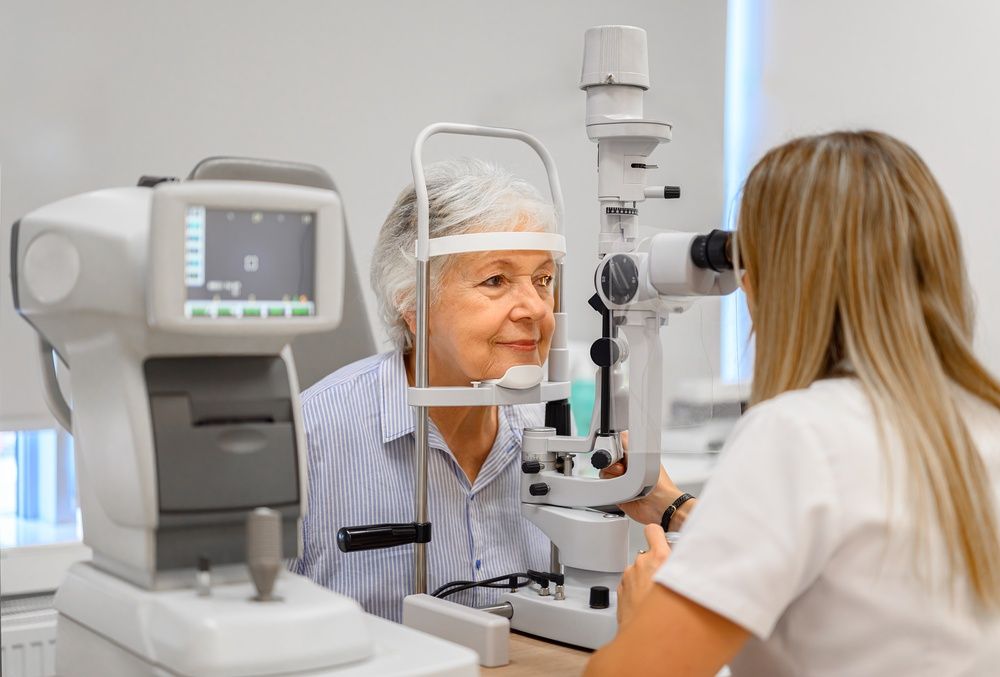
A diabetic eye exam is a thorough examination that goes beyond a basic vision screening. Your doctor will review your medical history, check your visual clarity, and use dilating drops to carefully examine the retina and optic nerve for early signs of diabetes-related damage. This detailed evaluation helps detect subtle changes before symptoms appear, allowing for early treatment and better protection of your long-term vision.
How Often Should Diabetic Patients Get Eye Exams?
The American Diabetes Association recommends that individuals with diabetes receive a comprehensive dilated eye exam every year. More frequent visits may be necessary if signs of eye disease are detected or if you experience symptoms such as blurred vision, floaters, or dark areas in your sight. Even if your vision seems stable, annual exams are essential, as diabetic eye disease often develops gradually and without noticeable warning signs.
Schedule Your Diabetic Eye Exam Today
Protecting your vision is an essential part of managing diabetes. Because diabetic eye disease can develop without noticeable symptoms, routine annual exams are one of the most effective ways to catch problems early and prevent long-term damage.
Schedule your annual comprehensive diabetic eye exam with Emer Eye Care today. Contact our office in Kenosha, Wisconsin, visit our website at emereyecare.com, or call (262) 654-6005 to book an appointment.


MAP
Powered by: